
Enhance Guest Experience with Effective Mensaje de Espera para Clientes
Introduction
In the competitive landscape of hospitality, understanding guest expectations is not just important - it's essential for survival. Let’s explore how effective waiting messages can transform guest experiences, keeping them informed and boosting their satisfaction. As personalized communication and AI technology evolve, how can hotels adapt their messaging strategies to exceed guest expectations and build lasting loyalty?
Understand Your Audience's Expectations
Understanding your audience's expectations is the cornerstone of exceptional visitor experiences in the hospitality industry. To improve the visitor experience, it involves researching visitor demographics, preferences, and behaviors. Utilizing surveys, feedback forms, and data analytics can provide valuable insights into what visitors prioritize during their stay. For instance, many visitors expect timely updates regarding their reservations, personalized greetings, and detailed information about available amenities. How can you align your messaging with these expectations to create engaging interactions?
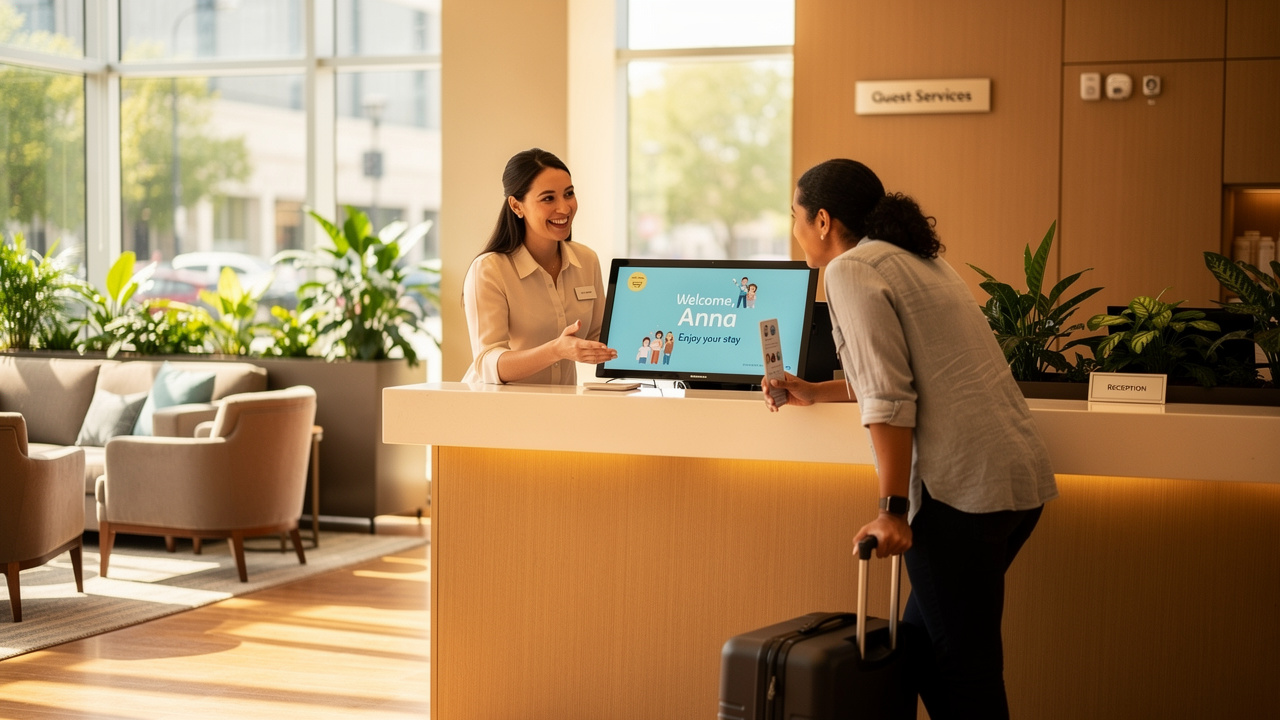
Implementing tailored communication strategies can significantly enhance visitor satisfaction. For instance, an accommodation may create a system where visitors receive personalized welcome messages upon arrival, recognizing their individual preferences and improving their overall satisfaction. This strategy not only meets visitor expectations but also builds a sense of belonging and loyalty, which is crucial in today's competitive hospitality landscape. As highlighted by industry specialists, personalization is no longer a luxury but a necessity, with 71% of customers anticipating customized interactions during their lodging experiences. By prioritizing visitor knowledge and preferences, hotels can create memorable stays that resonate with their clientele.

Craft Clear and Engaging Scripts
Effective communication is the cornerstone of exceptional guest experiences in the hospitality industry. Creating clear and engaging scripts is vital for effective communication with guests, particularly when it comes to delivering a mensaje de espera para clientes. Begin by recognizing the key points you wish to communicate, ensuring they are concise and pertinent. Use a friendly and conversational tone to make the communications feel personal. For example, instead of a generic 'Thank you for holding,' consider a more engaging approach like, 'We appreciate your patience! While you wait, did you know we offer complimentary breakfast for all guests?' This not only acknowledges the wait but also includes a mensaje de espera para clientes that provides valuable information.
VoicePrompts.ai makes it easy for hotel managers to create and save custom on-hold and auto-attendant recordings. The efficient process allows hotel managers to craft professional communications in minutes, without needing studios or voice actors. Features like one-click export and instant customization ensure that your messages reflect your brand's voice. Incorporating calls to action is essential; motivate visitors to explore services or promotions while they listen to the mensaje de espera para clientes. Regularly updating your scripts to reflect seasonal changes or new offerings keeps the content fresh and relevant. This practice not only educates visitors but also improves their overall experience by making them feel appreciated and involved.
Did you know that AI-driven agents can handle 70-90% of routine inquiries without needing human help? This statistic emphasizes the significance of automated messaging systems in enhancing visitor communication. Additionally, expert insights from Jordan Hollander highlight that 78% of US consumers find receiving text messages the fastest way to get important service updates. By integrating these strategies with VoicePrompts.ai, managers can significantly impact customer satisfaction, as personalized communication fosters a sense of connection and loyalty among visitors.
It's important to steer clear of common messaging pitfalls, like being too generic or not updating your scripts often enough. Including anecdotes or mini-cases from successful implementations can further demonstrate the effectiveness of engaging scripts, offering practical applications for managers to consider. Embrace the power of personalized communication to elevate your guests' experiences and drive loyalty.

Leverage AI Technology for Efficiency
In the fast-paced hospitality industry, effective communication is not just important; it’s essential for success. Integrating AI technology into your messaging strategy significantly boosts efficiency and personalization. AI-driven platforms like VoicePrompts enable accommodations to create and manage the mensaje de espera para clientes and greetings in just four simple steps. With over 850 options available, VoicePrompts allows for instant customization, ensuring that communications remain relevant and engaging.
By examining visitor data, AI can craft tailored communications that align with personal preferences. Additionally, VoicePrompts streamlines the refreshment of communications, enabling accommodations to swiftly adjust to changes in services or promotions without the delays associated with traditional providers. This conserves valuable time and ensures visitors receive the latest information. For instance, an accommodation could use VoicePrompts to automatically update the mensaje de espera para clientes to showcase new amenities or seasonal promotions, ensuring that visitors remain informed and engaged without the need for manual updates.
As Adrie Vreeke, CEO of Capsule Hotel Group, points out, automation is streamlining transactional tasks, allowing frontline roles to focus on essential soft skills. By harnessing AI with VoicePrompts, accommodations can refine their communication strategies, ultimately enhancing guest satisfaction and fostering loyalty. However, it’s crucial to recognize that the rapid adoption of AI in accommodations also brings risks, as highlighted by industry experts. Therefore, maintaining clean and structured data is vital for hotels to remain visible and competitive in an evolving landscape. As the landscape evolves, those who adapt their communication strategies will not only survive but thrive.

Evaluate and Adapt Messaging Strategies
Effective communication is the backbone of success in the hospitality industry, yet many hotel managers struggle to connect with their guests. To ensure your messaging strategies remain effective, it's crucial to regularly evaluate their performance and adapt as needed. Start by gathering responses from visitors about their impressions of your messaging through post-stay surveys or direct interactions. What trends can you uncover from this data that might highlight areas for improvement? For example, if visitors often indicate that on-hold recordings are excessively long or lack interest, adding a mensaje de espera para clientes that is more succinct and engaging can improve their satisfaction.
With VoicePrompts.ai's AI-powered platform, you can effortlessly create a mensaje de espera para clientes along with custom on-hold and auto-attendant messages that resonate with your audience. Additionally, tracking key performance indicators (KPIs) such as call abandonment rates and customer satisfaction scores provides insight into the effectiveness of your messaging. Consistently assessing and adjusting your strategies ensures your communications remain relevant and impactful. This approach ultimately enhances the visitor experience and fosters loyalty.
Embracing guest feedback as a cornerstone of your communication strategy can lead to significant improvements. Case studies show that hotels adapting their messaging based on guest insights have seen increased satisfaction and repeat bookings. Failing to evaluate messaging regularly can lead to a decline in guest loyalty and satisfaction.

Conclusion
In a competitive hospitality landscape, effective communication is not just important; it's essential for success. Enhancing guest experiences through effective waiting messages is vital in this industry. Understanding audience expectations and implementing tailored communication strategies allows accommodations to create memorable interactions that foster loyalty and satisfaction. Personalization and clarity in messaging are fundamental to standing out in a competitive market.
Key insights discussed in the article emphasize the importance of:
- Engaging scripts
- The role of AI technology in streamlining communication
- The necessity of regularly evaluating messaging strategies
By leveraging tools like VoicePrompts.ai, hotel managers can craft personalized messages that resonate with guests, ensuring their experiences are not only pleasant but also informative. Gathering feedback and adapting scripts based on visitor responses can significantly elevate the quality of service provided.
Effective waiting messages are crucial; they directly shape the overall guest experience. Embracing these best practices not only enhances visitor satisfaction but also builds a lasting connection with guests. As the hospitality landscape evolves, prioritizing personalized messaging is essential for thriving in a competitive environment.
Frequently Asked Questions
Why is understanding audience expectations important in the hospitality industry?
Understanding audience expectations is crucial because it forms the foundation for exceptional visitor experiences, allowing businesses to tailor their services to meet the specific needs and preferences of their guests.
How can hospitality businesses gather insights about visitor expectations?
Hospitality businesses can gather insights through methods such as surveys, feedback forms, and data analytics, which provide valuable information about visitor demographics, preferences, and behaviors.
What are some common expectations that visitors have during their stay?
Common expectations include timely updates about reservations, personalized greetings, and detailed information about available amenities.
How can tailored communication strategies enhance visitor satisfaction?
Tailored communication strategies, such as personalized welcome messages that recognize individual preferences, can significantly enhance visitor satisfaction by making guests feel valued and improving their overall experience.
Why is personalization considered a necessity in the hospitality sector?
Personalization is seen as a necessity because 71% of customers expect customized interactions during their lodging experiences, which helps build a sense of belonging and loyalty among guests.
What impact does prioritizing visitor knowledge and preferences have on hotels?
Prioritizing visitor knowledge and preferences enables hotels to create memorable stays that resonate with their clientele, ultimately leading to increased satisfaction and loyalty in a competitive market.
List of Sources
- Understand Your Audience's Expectations
- deloitte.com (https://deloitte.com/us/en/industries/consumer/articles/hotel-guest-experience-strategy.html)
- Future of Hotel Guest Experience Predictions 2026 (https://virdee.io/blog/future-of-hotel-guest-experience-predictions-2026)
- Hospitality Trends 2026: What Hotel Guests Want Next (https://axishc.net/hotel-guest-expectations-2026-trends)
- hospitalitynet.org (https://hospitalitynet.org/opinion/4131102/hospitality-horizons-2026-the-top-5-trends-shaping-travel-hotels)
- Craft Clear and Engaging Scripts
- Hotel Guest Communication: Best Practices to Improve Every Stay (https://chekin.com/en/blog/hotel-guest-communication)
- canarytechnologies.com (https://canarytechnologies.com/post/hotel-upselling-script)
- hospitalitynet.org (https://hospitalitynet.org/opinion/4125756/8-guest-communication-trends-whats-ahead-for-2025)
- Guest Messaging: 7 Stats Every Hotelier Needs to Know (https://hoteltechreport.com/news/guest-messaging-statistics)
- Five Hotel Messaging Trends That Define Guest Communication in 2025 | (https://hoteltechnologynews.com/2025/07/five-hotel-messaging-trends-that-define-guest-communication-in-2025)
- Leverage AI Technology for Efficiency
- hoteltechnologynews.com (https://hoteltechnologynews.com/2026/04/choice-hotels-moves-ai-technology-beyond-pilot-projects-and-into-the-core-of-hotel-operations)
- prnewswire.com (https://prnewswire.com/news-releases/hotel-ai-adoption-surges-with-82-expanding-use-in-2026-302719052.html)
- mews.com (https://mews.com/en/blog/2026-hospitality-outlook)
- Evaluate and Adapt Messaging Strategies
- Guest Messaging: 7 Stats Every Hotelier Needs to Know (https://hoteltechreport.com/news/guest-messaging-statistics)
- The Importance of Guest Satisfaction Surveys for Enhancing Service Quality (https://news.a1american.com/importance-of-guest-satisfaction-surveys)
- How Guest Feedback Catalyzes Hotel Improvement (https://geedesk.com/blog/how-guest-feedback-catalyzes-hotel-improvement-the-success-stories)
- Guest Feedback: Best Strategies for Enhanced Hotel Experiences (https://chekin.com/en/blog/guest-feedback-strategies)
- Using Guest Feedback to Improve Hotel Services (https://thereputationlab.com/using-guest-feedback-to-improve-hotel-services)
Book a demo of VoicePrompts
Share a few details and we'll reach out to schedule a time.